

JOSHUA ALLAN
The 1510 West
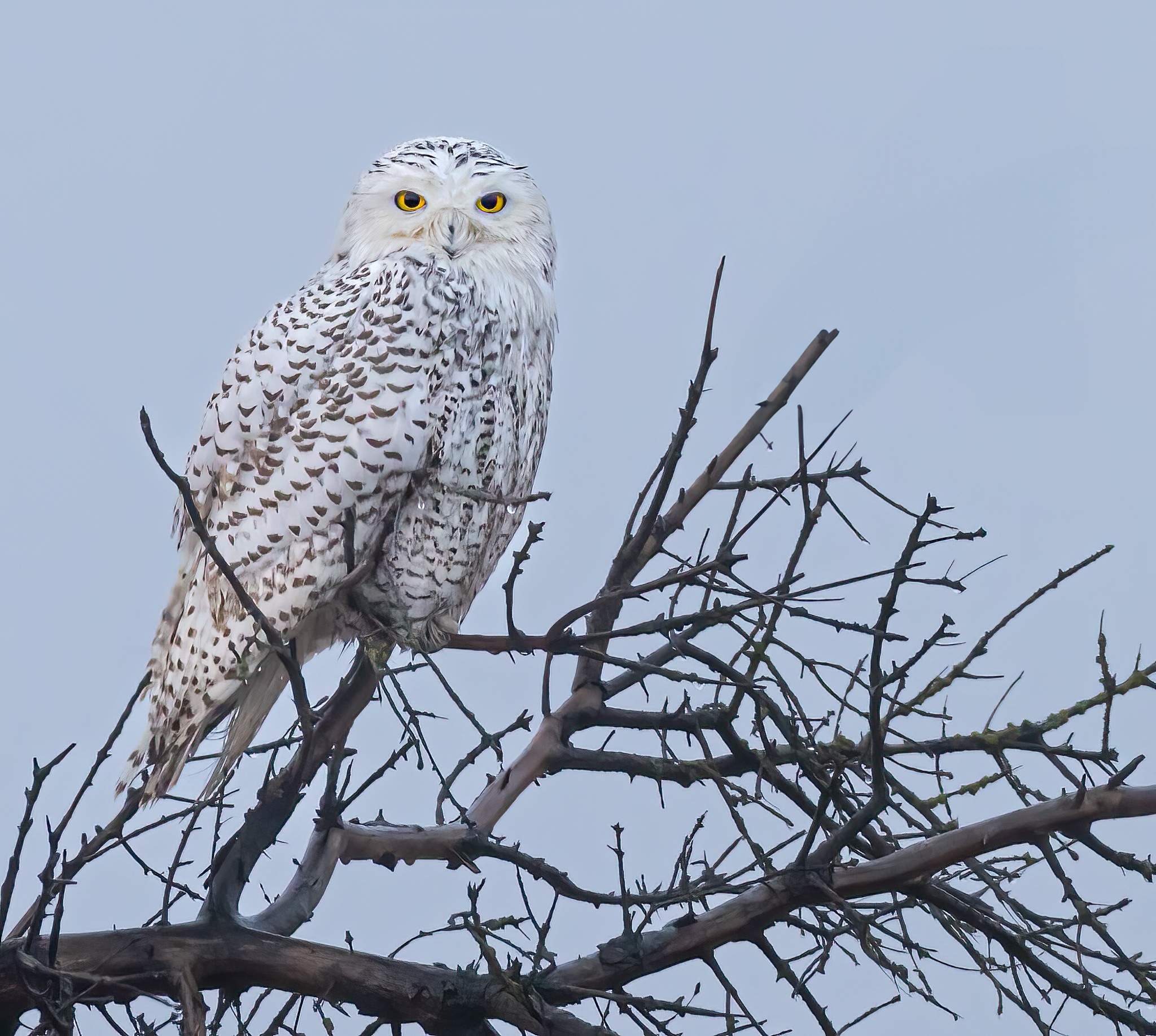
The Ecomuseum Zoo in Ste. Anne de Bellevue is calling on the Quebec and Canadian governments to take swift action to protect the snowy owl following an independent advisory body classifying the species as “threatened” earlier this month.
The classification, announced by the Committee on the Status of Endangered Wildlife in Canada (COSEWIC) on May 15, “should really raise a flag” for governments and citizens alike about the need for concrete action around both protecting these animals and combatting climate change, said David Rodrigue, executive director for the Ecomuseum.
Researchers have estimated that Canada’s snowy owl population has declined by more than 40 per cent in the past 24 years, said Dr. Louise Blight, a conservation biologist and co-chair of COSEWIC’s subcommittee overseeing birds. The advisory panel of wildlife experts has been identifying at-risk species in Canada since 1977. Since 2003, the federal government has been legally obliged to consider listing species as being threatened based on COSEWIC’s reports under the Species at Risk Act.
However, the Quebec government must be pushed to act, said Rodrigue in an interview on Monday. Though the iconic bird has been the province’s avian emblem since 1987, the title does not provide legal protections for the animal nor its habitat.
Quebec’s Environment Ministry had previously told media outlets that it will evaluate the snowy owl’s status, based on COSEWIC’s report. However, designating a species as “threatened” is a long process in the province, Rodrigue explained.
“Historically, here in the province, it takes many years to go through that process for a species. So any time soon would be a good time to start looking at the snowy owl.”
Climate, infrastructure driving decline
The snowy owl is faced with many survival challenges linked to climate change and interactions with human infrastructure.
Warming arctic temperatures are leading to a decline in the lemming population, Rodrigue explained. These arctic-based burrowing rodents are the primary food source for snowy owls, and their population decline leads to an increasing number of snowy owl deaths by emaciation.
Snowy owls leave their arctic home during the winter and fly to Canada’s southern regions. During their stay, their diet shifts from lemmings to other available rodents. However, the use of rodenticides in agriculture has been known to cause secondary poisoning of these birds, further contributing to their decline, Blight said.
Even navigating the more populous south is dangerous for snowy owls. A 2022 article published in the peer-reviewed journal Oecologia detailed different studies on causes of death for wintering snowy owls. Multiple studies found that nearly half the deaths of snowy owls observed came from collisions with vehicles, powerlines and other man-made structures.
Preserving the snowy owl population will, however, take more than switching out rodenticide or driving more cautiously during the wintertime, Rodrigue said. There needs to be more public education on how warming temperatures are impacting the environment, and the subsequent impacts this will have on humans.
“Whichever way you look at it, we’re just another animal species that depends on the same ecological mechanisms and systems that all other species do,” he explained. “And we should be worried by what we’re seeing now.”
Rodrigue added that he’s hopeful that the snowy owl’s status as Quebec’s official bird will work to draw attention to the conversation around climate change.
“People often ask, ‘What does it matter if (threatened species) disappear?’” he said.
He responds by comparing our ecosystem to a game of Jenga: “That’s exactly what we’re doing with ecosystems and animals. We’re pulling species out. One day you pull one out, and everything collapses.”