Tashi Farmilo
LJI Reporter
According to the Quebec Cannabis Survey (EQC 2023), 17 per cent of Quebecers aged 15 and
over reported using cannabis in the year before, and nearly one-third of them said they did so to
manage health problems. Anxiety, depression, chronic pain, headaches, and insomnia were the
most cited reasons. The survey underscores that while cannabis is often perceived as
beneficial, its effects remain complex, with users weighing relief against the risk of dependency,
impaired concentration, or worsening symptoms.
The report highlights a gap in scientific literature. Few studies have explored the nuances of
cannabis use for self-management; habits, contexts, and the role of professional guidance
remain poorly documented. For the National Institute of Public Health of Quebec, which
commissioned the study, this lack of evidence points to the need for clearer communication and
targeted information for those who turn to cannabis for health reasons.
In the Outaouais, health authorities say the provincial findings reflect what they see on the
ground. The Centre intégré de santé et de services sociaux de l’Outaouais (CISSSO) notes that
youth sometimes report using cannabis as a form of self-care. Although specific data on ages
12 to 17 are lacking, practitioners encounter young people who describe turning to cannabis to
cope with stress, anxiety, or sleep disturbances.
“We often see young people using cannabis to regulate their emotions or manage pain, but it is
rarely guided by medical advice,” CISSSO said. “For some, it is perceived as a safer or more
accessible option than medication, but the potential health impacts are not always well
understood.”
CISSSO frames its approach around the bio-psycho-social model, which seeks to address not
only physical symptoms but also the psychological and social contexts in which cannabis is
used. This means interventions are adapted to each individual, with a focus on reducing harm
and promoting informed decision-making. Front-line staff often collaborate with doctors, nurses,
social workers, and educators, even accompanying clients to medical appointments to ensure
continuity of care.
Educational efforts are a central piece of the response. The Semaine de prévention des
dépendances reaches youth aged 12 to 24 with evidence-based information on cannabis and
other substances. Campaigns such as À deux doigts de ta limite frame cannabis use within
broader health and lifestyle choices, while school-based initiatives encourage early reflection on
substance use and its impacts.
In 2023, CISSSO hosted conferences in the Vallée-de-la-Lièvre that brought together
professionals and community members to discuss both recreational and therapeutic cannabis.
“What came through strongly in those discussions was that cannabis could not be reduced to
good or bad,” CISSSO said. “Young people in particular need nuanced information that takes
into account both the potential benefits and the risks.”
The Quebec Cannabis Survey echoes that sentiment, noting that self-care practices are often
influenced by peers, family members, and information gleaned from the internet. Many
respondents felt the information they had received about cannabis and health management was
insufficient.
For CISSSO, this gap makes prevention and early intervention even more urgent. Tools such as
the DEP-ADO questionnaire are used in schools and youth services to identify problematic use
patterns quickly, allowing practitioners to intervene before issues escalate. “The earlier we can
provide support, the better the outcomes,” CISSSO said.
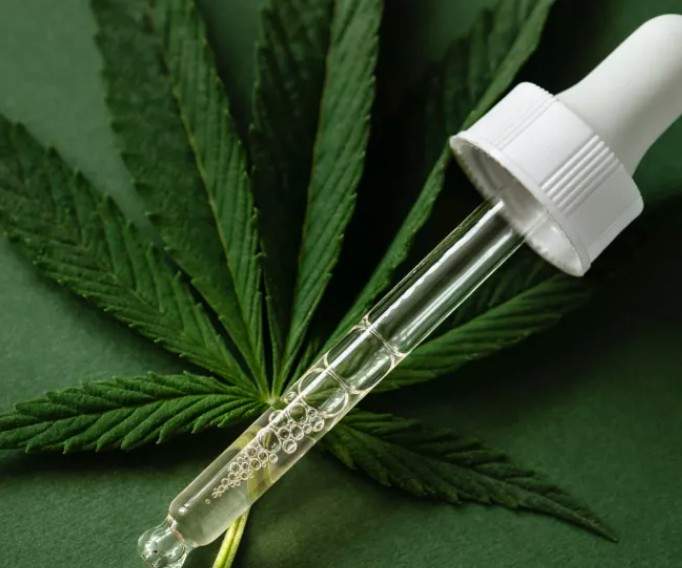
Photo: Seventeen per cent of Quebecers use cannabis, with a third citing self-management of
health issues, a pattern echoed in the Outaouais where the CISSSO observes youth turning to it
for anxiety, sleep problems, and pain relief, while calling for earlier intervention and better public
education. (TF) Photo: Courtesy of the National Institute of Public Health of Quebec